DISCLAIMER

DISCLAIMER: I do not attempt to be polite or partisan in my articles, merely truthful. If you are a partisan and believe that the letter after the name of a politician is more important then their policies, I suggest that you stop reading and leave this site immediately--there is nothing here for you.

Modern American politics are corrupt, hyper-partisan, and gridlocked, yet the mainstream media has failed to cover this as anything but politics as usual. This blog allows me to post my views, analysis and criticisms which are too confrontational for posting in mainstream outlets.

I am your host, Josh Sager--a progressive activist, political writer and occupier--and I welcome you to SarcasticLiberal.blogspot.com
Showing posts with label Environment. Show all posts

Wednesday, July 4, 2012

The 2012 Farm Bill and its Consequences


© 7/1/12 Josh Sager – www.SarcasticLiberal.blogspot.com


The United States government periodically passes or re-authorizes federal farm bills in order to govern issues involving agriculture - issues including regulations, subsidies, environmental protections and trade. The 2012 Farm Bill, formally referred to as the “Agriculture Reform, Food and Jobs Act of 2012”, is a gigantic, omnibus bill, stretching over 1000 pages and costing approximately
$1 trillion dollars during the next decade. 
Due to its size and expansive nature, this bill will have wide reaching effects on issues of farming, conservation and food for individuals across the country. To put the sheer size of the 2012 farm bill into perspective: According to estimates by the Obama administration, the Iraq war cost the USA just over $1 trillion in direct costs over the last decade – nearly identical to the projected costs of the 2012 Farm Bill.


Unfortunately, while the 2012 farm bill is still being debated in the legislature, thus many details are yet to be determined, there are several disheartening initiatives which are virtually certain to pass, regardless of the final wording of the bill: The SNAP program (food stamps) will likely receive significant cuts and genetically modified crops will be shielded from disclosing their unnatural natures on packaging.


SNAP Program Cuts
Both the House and Senate versions of the 2012 Farm Bill include budget cuts to the SNAP (Supplemental Nutrition Assistance) Program, thus the only question surrounding the cuts is one of scale. The Senate version of the Farm Bill cuts $4.5 billion of federal funding out of the SNAP program ($450 million per year) and would impose new restrictions on eligibility in order to cut costs. The House Republicans are pushing for $134 billion in cuts ($13.3 billion per year) to the SNAP Program and will likely attempt to attach these cuts to the Farm Bill before they take a vote on it. It is likely that neither side will get the cuts that they desire, but rather that the final result will be somewhere between 4.5 and 134 billion dollars in cuts.


The Senate version of the Farm bill trims the edges off of the SNAP program, cutting 5.7% out of the $78 billion dollar a year SNAP program, while the House Republican plan would likely cripple the program by cutting 17% of its funding. Regardless of what the final cuts to SNAP are, the results will be painful for those dependent upon food stamps and will likely harm the economy. 


The SNAP program is a vital program and has been effective in both assisting poor families to feed themselves and stimulating the economy. Cuts to the SNAP program will likely lead to serious hardship for the poor, and a slowdown of economic growth caused by a decrease in demand for food. Millions of Americans, many of whom are children, are kept fed through funds provided by the SNAP program, and cuts to this program will cause these people to suffer. In addition to the humanitarian aspect of the SNAP Program, it has a very beneficial economic effect: SNAP food assistance has an economic multiplier effect of approximately 1.7 (for every $1 spent, it stimulates demand by $1.70), and is much more effective at stimulating the economy than any known tax cut; decreases in this program’s funding will lead to decreased demand and a slowdown of economic growth across the entire economy.


Shielding GMO Products from Disclosure
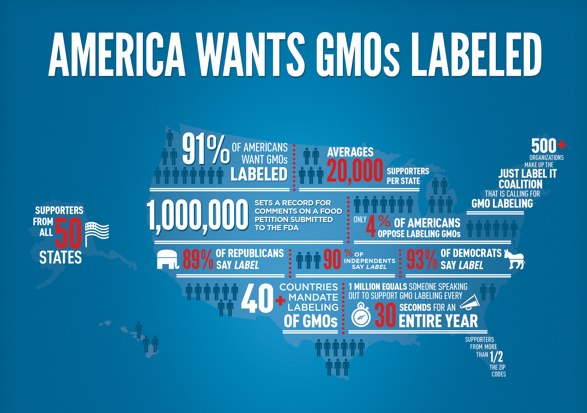
The 2012 Farm Bill will help shield producers of genetically modified crops from being forced to disclose the fact that their products have been modified. Few people realize just how many goods that they encounter on a regular basis are genetically modified, thus they are unable to make rational choices as to their consumption of genetically modified goods. Unfortunately, an amendment, proposed by Rep. Bernie Sanders (I-VT), that would force food companies to post whether or not their product contains genetically modified organisms was struck down in a bipartisan vote; the 2012 Farm Bill will inevitably perpetuate the concealment of which goods contain genetically modified organisms in order to protect food companies.


Genetically modified organisms (GMOs) are organisms, many times crops or food animals, which have been modified by human genetic manipulation technologies to be superior (theoretically) to the original organisms. These modifications take many forms, ranging from pesticide resistant crops (ex. Monsanto’s “roundup ready” GE corn) to foods with enhanced nutritional aspects (ex. “golden rice”), and are often marketed as the next evolution of crop sciences. 


The genetic modification of crops is a multi-billion dollar a year industry, utilized by numerous multi-national corporations. There are innumerable goods, including most processed foods, which contain some level of genetically engineered crop – follow this link to a list of common goods containing GMOs. Of particular importance when looking at the spread of GE crops are the corn and sugar beet goods created by the Monsanto Corporation; these crops are the primary sources of corn and beet sugar that eventually become glucose, fructose, and high fructose corn syrup which are added to virtually all processed foods. 


While they are marketed as safe, some genetically modified goods have been shown to have serious adverse side effects. Sometimes the splicing of one crop’s genetic code into another’s can lead to allergic reactions; this is particularly dangerous as the consumer may not even know that they are eating a food which contains a food they are deathly allergic to. In 1996, soybeans that had been spliced with brazil-nuts caused some people to unknowingly consume brazil-nut genetic material and suffer severe allergic reactions.


In addition to allergic reactions, there is the potential that genetically modified foods which are resistant to pesticides or produce their own pesticides may be toxic for human consumption. A recent study indicates that “roundup ready” corn, a GMO produced by Monsanto Co., may cause organ damage to mammals; while there haven’t been confirmed cases of human organ damage from this good, it is a very real possibility that such damage could occur given long-term consumption of GM corn. At particular risk for harm due to GMO crop pesticides are developing fetuses, as their tissues are far more susceptible to chemical poisoning (similar to why pregnant women should not drink alcohol or intake nicotine).

Given the potential consequences of unknowingly consuming genetically engineered products, it is simple common sense that people should be warned as to what they are eating; this is not to ban GMOs, but rather to ensure that consumers know just what they are buying and allowing them to make rational choices. The public opinion polling on the mandated disclosure of GMOs in food is heavily in favor of disclosure: A recent poll by Reuters concluded that 93% of Americans believe that genetically modified goods should be labeled for consumers. Individuals should be told what is in the food which they are buying and then be allowed to make a rational choice; the only way that this can occur is if all GMO-containing products are clearly labeled as such.


If an individual chooses to avoid genetically modified crops – whether it be health concerns, religious reasons, or simply a personal preference – it is an individual’s right to do so. Unfortunately, as there are no current regulations that force food suppliers to label goods which contain GMOs, it is virtually impossible for the casual consumer to determine just what they are eating. 


In the debate over the 2012 Farm Bill, Rep Bernie Sanders proposed an amendment which would require companies to disclose whether their products contain GMOs on its packaging; this amendment failed by a bipartisan vote of 73 to 26 in the Senate. As this amendment failed in the Senate by such a significant margin, it is essentially impossible that it will be included in the final bill (particularly because the House is even more hostile to such disclosure than the Senate). With the failed attempt by Rep Sanders to amend the 2012 Farm bill to include new disclosure regulations, it seems likely that such disclosure will not happen in the near future.


Without a federal law mandating disclosure of genetically modified materials in food, there is virtually no way for such laws to be enacted. On the state level, any attempt to pass legislation mandating disclosure would either fail to pass, or meet lawsuits by every major genetic engineering corporation. The threat of such lawsuits by powerful corporations presents a virtually insurmountable obstacle for any state level attempts to force disclosure, even on a smaller level. This is one issue that simply must be fought on the federal level and, unfortunately, this battle seems lost for now.

Wednesday, June 20, 2012

Why Not to Trust Monsanto


Why Not to Trust Monsanto
© 2012 Josh Sager – SarcasticLiberal.blogspot.com
Open to publishing with attribution, but not alteration


All Credit for Graphic to Rasa13
The Monsanto Corporation is one of the largest pesticide and biotechnical corporation in the entire world; their products are used in most sectors of agriculture and can likely be found in most markets across the United States.  Monsanto is a multi-billion dollar company with a diverse product base and is among the largest producers of genetically engineered crops. As a company, Monsanto promises to be the creator of new, safer, pesticides as well as stronger bio-engineered crops. Unfortunately, the reality of what Monsanto will deliver to the world is likely very different from what they promise, or what we, as a society, desire.


Monsanto has produced many products, from new types of pesticide to genetically engineered crops, and has been the center of several severe controversies. In numerous cases, the Monsanto Corporation produced and marketed products which they knew to be potentially toxic, yet gained a profit from selling. While not illegal, largely due to their massive lobbying efforts reducing safety standards (Follow this link for the OpenSecrets.org report on Monsanto lobbying), the sale of toxic chemicals for a corporate profit is both highly immoral and very relevant to those in society who wish to assess the use of Monsanto products. Put plainly: Monsanto’s history of selling poison, labeled as a useful product, casts doubt on whether any product that they sell should be trusted (even if they claim it to be entirely safe, they have lied before).


During its early years, Monsanto was a major producer of PCBs (Polychlorinated biphenyl) to be used in various industrial applications. Monsanto was the primary North American supplier of PCBs from the 1930 to the late 1970s, when these chemicals were banned for their highly toxic nature. PCBs, while very stable and good at acting as a liquid insulator, are extremely toxic to virtually all forms of life – they are carcinogenic, highly toxic, and corrosive upon contact with skin or mucus membranes. Even with the mounting evidence of the toxicity of PCBs, Monsanto continued to produce them up until they were forced to stop by the government banning their production.


The Monsanto Corporation has a long and sometimes unfortunate history of creating new and powerful pesticides. The infamous “Agent Orange”, used in Vietnam to destroy jungles, and the powerful pesticide DDT were two of the primary pesticides produced by Monsanto during its early years. While Agent Orange and DDT are now outlawed due to the massive damage they cause human life as well as the environment, Monsanto continued producing them for as long as the law allowed. The gigantic costs to human health and to the environment caused by the sale of Monsanto pesticides, even once they were deemed too dangerous for use, resulted in many ruined lives and destroyed ecosystems for society but huge profits for Monsanto.


A large portion of Monsanto’s business is currently in the field of “genetically modified organisms” (otherwise known as GMOs); this simply means that they alter the genetic structures of crops in order to (hopefully) make them more resistant to disease, easier to grow, higher yield, or less susceptible to predation by pests. Unfortunately, GMOs are often plagued by unintended consequences and side effects of genetic modification which make them risky for human consumption. Monsanto has been embroiled in several serious controversies surrounding the safety of their GMO products – namely GE corn and recombinant bovine growth hormone – yet they have consistently continued to sell their goods. 

Just recently, a study published in the International Journal of Biological Sciences seems to indicate a link between the consumption of Monsanto genetically engineered corn and organ damage (primarily in the liver and kidneys). This damage is consistent with the genetically engineered pesticide utilized by the corn, and seems to refute Monsanto’s claim that the pesticide will degrade long before it is consumed. Despite evidence that Monsanto’s GM corn may cause organ damage in its consumers, they have refused to recall their products. The refusal to recall their potentially toxic corn, in combination with their history of damaging their consumers for a profit, shed considerable doubt upon their care for the health of those who consume their goods.


Monsanto’s corporate behavior, both historically and currently, demonstrates a prioritization of profits over the safety of their consumers. It is evident that Monsanto will sell products, regardless of whether they may be toxic, for as long as they are legally able to sell them. Not only does Monsanto have a pattern of selling toxic goods, but they lobby to prevent these goods from becoming illegal (even after determining their toxicity), thus compounding the harm that they cause society.


Monsanto may very well make some quality products but, given their pattern of negligence, there is no reason for the public to believe them when they promote their goods. The Monsanto Corporation has proven numerous times that it will sell poison for a personal profit, regardless of the harm which their products inflict upon society; in the absence of regulators sanctioning Monsanto for its negligence, it is up to the public to stand up to Monsanto and call them out for their bad acts.


The next time you hear the name Monsanto in relation to a good which you are thinking of buying, please reconsider your purchase. It is entirely possible that the food is safe, or even of higher quality than other food, but there is also the very real likelihood that this food will damage your body. Why gamble with your, or your family’s, health when there are so many other alternatives to the potentially toxic goods of Monsanto?

Thursday, June 14, 2012

Petition: Tell Mitt Romney that Drilling for Oil in National Parks isn’t an Energy Solution


Tell Mitt Romney that Drilling for Oil in National Parks isn’t an Energy Solution

Tell Mitt Romney that Drilling for Oil in National Parks isn’t an Energy Solution

ENVIRONMENT, PETITIONS — BY  ON JUNE 11, 2012 6:34 PM 
Target: Presidential candidate Mitt Romney
Goal: Convince Mitt Romney that opening the entire United States, including national parks, to oil drilling is not a valid plan to solve the nation’s energy problem.
Mitt Romney, the 2012 Republican candidate for president, currently supports a policy of drastically increased drilling as a solution to the looming energy crisis in the United States. The United States is on an unsustainable energy consumption trajectory and will need additional energy sources if we desire to preserve our current lifestyle; as the potential future leader of the United States, Romney’s plans surrounding energy policy are vital, as are any consequences caused by these plans.
The official Romney campaign position on oil drilling is as follows: “Governor Romney will permit drilling wherever it can be done safely, taking into account local concerns.” While Romney’s energy plan is arguably ineffective, due to the limitations surrounding non-renewable resources, the primary problem with it is that protected national park land would be opened to oil exploration.
Under candidate Romney’s current energy plan, national parks – such as Yellowstone and the Grand Canyon – would be opened to oil drilling and likely despoiled during the extraction process. Oil drilling is an environmentally dangerous process and will lead to the inevitable degradation of our national parks.
Putting aside the facts that the increased use of carbon-based fuels will exacerbate global climate change and that oil is not a renewable resource, drilling in national parks is not worth the damage that it causes. We need to preserve our country’s national parks, and cannot allow the short term need for energy to overshadow the permanent damage that can be done to our national treasures. Sign this petition to protest candidate Romney’s energy plan and stop the potential despoiling of our national parks.
  • PETITION LETTER
Dear Candidate Mitt Romney,
Your current energy plan consists of opening the entire United States, including protected national land, to oil drilling. This plan, while it will increase short term energy supplies for the country, will lead to the inevitable degradation of our national parks.
Put plainly, the opening of national parks to oil drilling is not an effective policy and will harm the United States in the long term. The potential oil production gained from pillaging national park land will eventually disappear, yet the damage done to our national parks will remain forever.
Our national parks and historic landmarks should be protected from all encroachments, particularly encroachments which have the potential to render the protected land toxic for generations to come. I, as well as everybody else to sign this petition, implore you to abandon your plan to open national park land to oil exploration – there are safer, cleaner and less destructive methods of fixing our country’s energy problems.
Sincerely,
[Your Name Here]

Wednesday, May 2, 2012

Petition: Require Disclosure of the Chemicals Used During Hydraulic Fracking


Require Disclosure of the Chemicals used During Hydraulic Fracking

ENVIRONMENT, PETITIONS — BY  ON MAY 2, 2012 4:29 PM 


Require Disclosure of the Chemicals used During Hydraulic Fracking


Sign the Petition: http://forcechange.com/19822/require-disclosure-of-the-chemicals-used-during-hydraulic-fracking/

Target: EPA Administrator Lisa P. Jackson
Goal: To push the EPA to demand full disclosure from all hydraulic fracturing operations as to the exact chemical makeup of their “fracking fluid”, as well as all internal safety studies.
Every year, hundreds of millions of gallons of “fracking” fluid are pumped into American soil by extraction companies during the process of hydraulic fracturing. While natural gas companies claim that this fluid is safe, they often refuse to disclose the exact chemical formulas of their fracking fluid to state and federal regulators.
While we don’t know the exact composition of fracking fluid, due to them being considered “proprietary information”, we do know that it contains over 700 chemicals, many of which are caustic, toxic, or highly flammable. Studies by regulators and academic institutions have shown a sharp increase in serious health problems (Ex. Cancer and respiratory problems) in the populations who live near fracking operations.
Unless a full chemical breakdown, as well as the corresponding internal safety tests by the extraction companies (if they exist), are given to regulators, there is no way to ensure that fracking fluid is actually safe. Oil companies have a monetary incentive to lie about the safety of their product, and should not have their words taken without evidence when they claim that fracking fluid is safe.
This situation boils down to a simple question: Do we, as a society, want to know what chemicals are being pumped into our environment, as well as whether they are dangerous to us and our children?

PETITION LETTER

Dear EPA Administrator Lisa P. Jackson,
Hydraulic fracturing is a massive, and growing, industry in the USA. Fracking requires that millions of gallons of chemicals be pumped into the earth per well, and the extraction industries expect the American people to take it on faith that these chemicals are not dangerous. Despite these companies’ assertions, evidence has shown concrete and statistically significant health consequences to the populations in proximity to fracking wells.
Regulatory agencies have a compelling and vital interest in ensuring that chemicals pumped into the environment comply with all regulations and safety standards; this interest far overshadows the interests of extraction companies in keeping their fracking recipes secret.
As a scientist, you know that incomplete data cannot be used to decide upon a scientific consensus as to whether or not fracking is safe. If regulators, such as those in your agency, don’t even have access to the composition of what they are regulating, there is no way that they can accurately assess the consequences of what they are supposed to regulate.
I ask you to support a push towards full disclosure by all extraction companies operating on US soil as to the exact chemical composition of the fracking fluid which they are using. Companies should be compelled to hand over full chemical lists, as well as all internal studies surrounding the creation and use of fracking fluids to the EPA. This data will allow your agency to more accurately determine the effects of fracking, and will allow science to dictate the regulations surrounding fracking rather than political lobbying.
Sincerely,
[Your Name Here]